Grow Basil from Cuttings
Looking to grow more basil without buying new plants? Propagating basil from cuttings is a simple and satisfying method to multiply your herb supply—perfect whether you’re gardening indoors or outdoors. It’s especially handy if you already have a thriving plant.
In warm climates, basil can grow all year long. With just a few cuttings, you can start your own basil garden at home. Always use sanitized tools and cut just above a leaf node for the best chance of success—no gardening experience needed!
Two Easy Ways to Propagate Basil:
1. In Water – Quick and Fun!
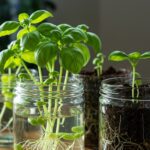
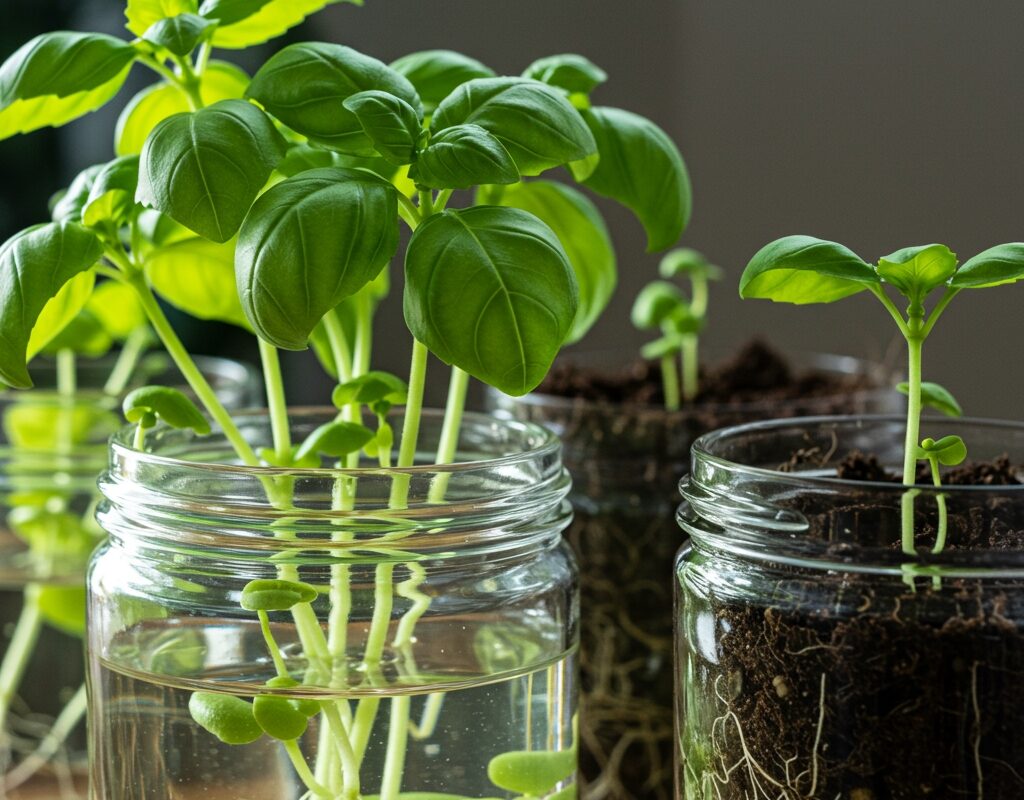
Snip healthy basil stems and place them in a glass of water, keeping the leaves above the surface. In about 2 weeks, roots will start to form.
2. In Soil – Slower but Stronger!
Plant your cuttings directly into moist potting soil. Keep them humid and in bright, indirect light, and roots will usually develop within 2–4 weeks.
For best results, use non-flowering stems—these focus energy on root and leaf growth instead of producing seeds.

Water Propagation: Fast and Simple
This beginner-friendly method lets you see the roots as they develop. Just make sure leaves stay out of the water to prevent rot.
Step 1: Take Cuttings
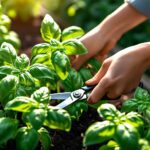
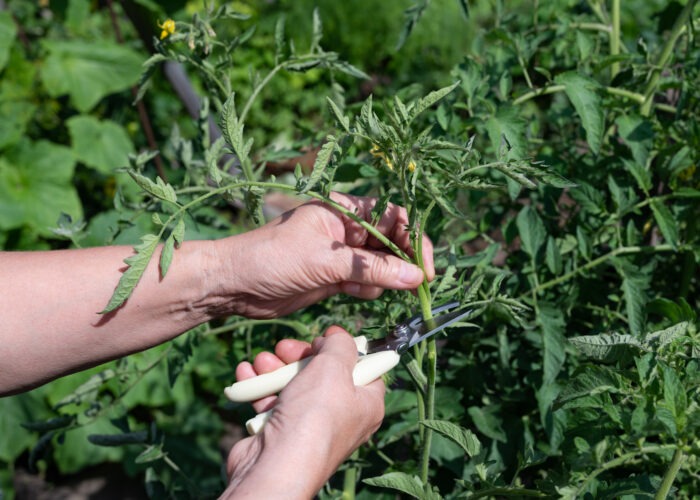
Use clean, sharp scissors or pruners to cut 4–6 inch stems from a healthy basil plant. Make your cut just above a leaf node, angled slightly.
Step 2: Remove Lower Leaves
Strip off the leaves from the bottom third of the stem so none are submerged.
Step 3: Place in Water
Set the cuttings in a clear glass or jar filled with water. Keep the stems submerged and the leaves above water. Place the container in a bright spot with indirect sunlight or under a grow light.
Step 4: Wait for Roots
Roots will typically appear in about 14 days. Change the water every 1–2 days to keep it clean and fresh.
Step 5: Move to Soil
Once the roots are 1–2 inches long, transplant the cuttings into pots with quality potting soil—or directly into your garden after they’ve acclimated to the outdoor environment.

Soil Propagation: Strong and Steady
Though it takes a bit longer, propagating in soil often results in hardier, more established plants.
Step 1: Take Cuttings
As with the water method, use 4–6 inch cuttings from a healthy, non-flowering plant. Cut just above a node, on a slight angle.
Step 2: Remove Lower Leaves
Pinch off the leaves on the lower part of the stem. Basil doesn’t usually need rooting hormone—it roots naturally.
Step 3: Prepare the Pot
Fill a 4- to 6-inch pot with moist potting mix. Create small holes using a pencil or your finger. A 6-inch pot can hold several cuttings, while smaller pots should be limited to one or two.
Step 4: Plant the Cuttings
Insert the stems so that 1–2 inches are buried, making sure at least one or two nodes are under the soil. Firm the soil gently to hold them in place. Cover the pot loosely with a plastic bag to maintain humidity and place in bright, indirect light. Mist regularly to keep the soil moist, not soggy.
Step 5: Root Development
In 2 to 4 weeks, you should see new roots forming. A gentle tug will reveal whether the cuttings have taken hold. New leaf growth is a good sign it’s working. Once rooted, you can either keep them in the same pot, transfer to a larger container, or plant outdoors.
Note:
While basil can survive in water for a while, it won’t thrive indefinitely unless moved to soil or a nutrient-rich hydroponic setup.
Both water and soil propagation are effective. Water offers faster results but comes with a higher risk of rot. Soil takes longer but tends to produce stronger plants with fewer issues during transplanting.
Grow your own endless supply of fresh, fragrant basil—right at home!